



Which Dog Vaccines Are Absolutely Necessary
A new puppy explores the yard for the first time, nose to the ground, tail moving with curiosity. Every scent, sound, and surface introduces something new, including germs their immune system has never faced before. That moment captures why pet owners often ask which dog vaccines are absolutely necessary. Certain diseases spread easily, progress quickly, and carry serious consequences, yet simple, routine vaccinations prevent many of them. As your veterinary team in Brookfield, WI, we guide families through vaccine decisions, helping them protect their dogs with care that fits their lifestyle, age, and risk level.
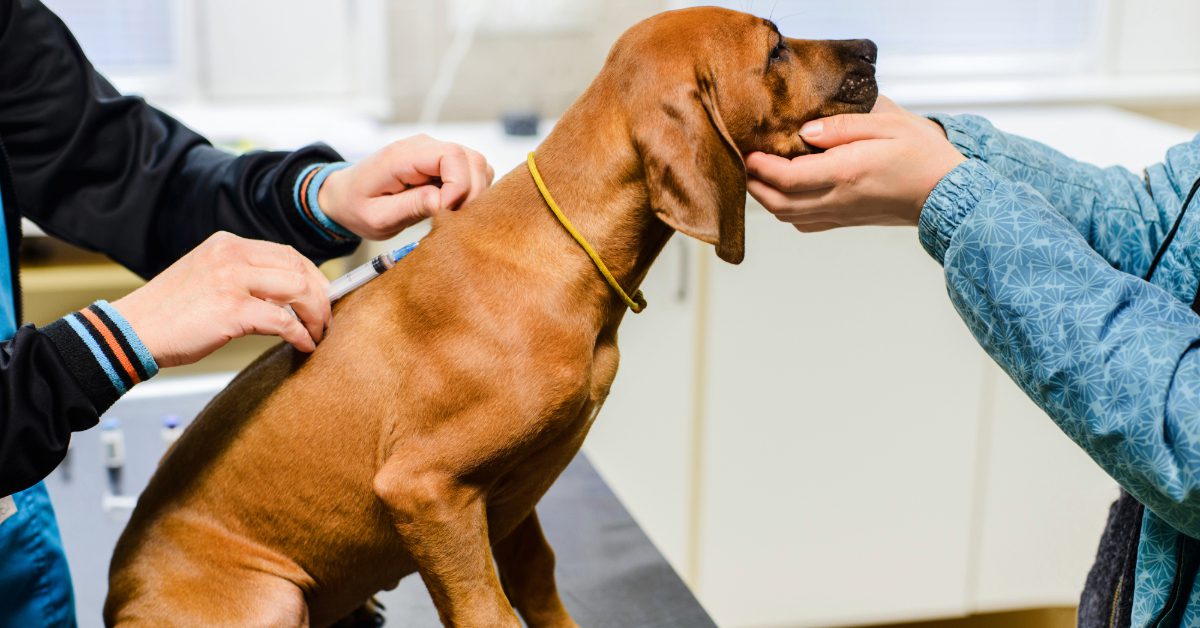
Core Vaccines Every Dog Should Receive
When people search “which dog vaccines are absolutely necessary,” they are usually asking about core vaccines. Core vaccines protect against diseases that pose widespread risk, cause severe illness, or threaten public health. Veterinary experts across the country recommend these vaccines for nearly all dogs, regardless of breed or size. These illnesses circulate in wildlife, soil, and community spaces, so even dogs that stay mostly at home can face exposure. Vaccination creates a protective immune response before your dog encounters the real disease. That protection reduces the risk of serious complications and helps control disease spread in the broader pet population.
Core dog vaccines typically include:
- Rabies
- Distemper
- Parvovirus
- Adenovirus (hepatitis)
These vaccines often appear together in a combination shot known as DHPP or DAPP, although rabies is always given separately. Puppies receive a series to build immunity, and adult dogs receive boosters at intervals we tailor to their health history. Our team at Brookfield Animal Hospital evaluates your dog’s age, environment, and exposure risk to keep their protection current without unnecessary treatments.
Rabies Vaccine for Dogs
Rabies remains one of the most important answers to the question “which dog vaccines are absolutely necessary.” This viral disease affects the nervous system and almost always proves fatal once symptoms appear. It also spreads to humans, which makes rabies vaccination both a medical and legal requirement in Wisconsin. Wildlife such as bats, raccoons, and skunks carry rabies, and even a brief outdoor (or indoor) encounter can lead to exposure. The vaccine protects your dog and reduces risk to your household and community.
Why Rabies Vaccination Matters So Much
Rabies often enters through a bite wound, and early signs can look subtle at first. Behavior changes, difficulty swallowing, or uncoordinated movement can follow, but by that stage, treatment options do not exist. Vaccination works by training the immune system to recognize and fight the virus quickly. Local regulations also require proof of rabies vaccination for licensing and boarding. Keeping this vaccine current prevents legal complications if a bite incident occurs. Most dogs receive their first rabies vaccine around 12–16 weeks of age, followed by boosters based on the vaccine type.
Distemper, Parvovirus, and Adenovirus Protection
While rabies often gets the most attention, other core vaccines address diseases that spread quickly among dogs. These viruses circulate in parks, sidewalks, soil, and even on clothing or shoes. That means exposure does not require direct contact with another dog. Puppies and unvaccinated dogs face the highest risk, but any lapse in protection increases vulnerability. Combination vaccines simplify protection against multiple threats in one visit. Staying current on these vaccines remains a central part of answering which dog vaccines are absolutely necessary.
Distemper, parvovirus, and adenovirus can cause:
- Severe gastrointestinal illness
- Respiratory infections
- Neurological symptoms
- Organ damage
- High mortality in young dogs
These diseases often require intensive hospitalization and can leave lasting health issues even after recovery. Vaccination reduces both the likelihood of infection and the severity of illness if exposure occurs.
Canine Distemper
Distemper affects the respiratory, gastrointestinal, and nervous systems. Dogs may start with coughing, fever, and nasal discharge before developing vomiting, diarrhea, or seizures. Wildlife such as raccoons can carry the virus, so suburban and rural areas both present risk. Vaccination provides strong protection and remains a standard part of puppy and adult dog care.
Canine Parvovirus
Parvovirus spreads through contaminated surfaces and proves especially dangerous for puppies. It causes sudden vomiting, bloody diarrhea, dehydration, and rapid decline. Treatment often requires hospitalization and supportive care. The vaccine plays a major role in preventing outbreaks and protecting vulnerable dogs.
Canine Adenovirus (Hepatitis)
Adenovirus affects the liver, kidneys, eyes, and blood vessels. Dogs may show fever, abdominal pain, or jaundice. Vaccination protects against infectious canine hepatitis and also offers coverage for certain respiratory strains.
Lifestyle Vaccines: When Are They Needed?
Some vaccines fall into a non-core or lifestyle category. These vaccines may not be absolutely necessary for every dog, but they become very important for dogs with certain routines or environments. Boarding facilities, dog parks, training classes, and grooming salons increase exposure to respiratory and bacterial diseases. Travel to wooded or tick-heavy areas also changes risk. We review your dog’s habits and future plans before recommending additional protection.
Common lifestyle vaccines include:
- Bordetella (kennel cough)
- Leptospirosis
- Lyme disease
- Canine influenza
For example, leptospirosis spreads through water contaminated by wildlife urine and can also affect people. Lyme disease risk rises in wooded regions with ticks. These vaccines often make sense for active dogs in Wisconsin, but the decision depends on individual circumstances.
Puppy Vaccination Schedules
Puppies rely on a series of vaccinations because their early immunity fades over time. Maternal antibodies from nursing offer temporary protection but also interfere with vaccine effectiveness. A scheduled series allows us to vaccinate at stages when the puppy’s immune system can respond properly. Missing visits can leave gaps in protection during a vulnerable time. Consistency matters more than speed, so we build a schedule that fits your calendar while keeping immunity on track.
Typical timing includes:
- First combination vaccine around 6–8 weeks
- Boosters every 3–4 weeks until about 16 weeks
- Rabies vaccine around 12–16 weeks
After the initial series, we transition your dog to an adult booster schedule. Regular wellness exams help us confirm that vaccines remain current and appropriate.
Vaccine Safety and Monitoring
Many owners researching which dog vaccines are absolutely necessary also ask about safety. Modern veterinary vaccines undergo extensive testing for effectiveness and safety. Most dogs experience no side effects beyond mild tiredness or slight soreness at the injection site. Serious reactions remain rare, but we still monitor every patient carefully. Sharing your dog’s medical history helps us plan appropriately. We also space vaccines when needed for dogs with special health considerations.
You can watch for:
- Mild lethargy for a day
- Reduced appetite briefly
- Temporary swelling at the injection site
Contact us if you notice persistent vomiting, facial swelling, or difficulty breathing. Our team remains available to address concerns promptly.
Smart Protection Starts with a Conversation
Deciding which dog vaccines are absolutely necessary involves more than checking a list. Your dog’s age, breed, environment, and lifestyle all influence risk. Vaccination forms one part of preventive care that also includes exams, parasite prevention, and dental health. Routine visits allow us to adjust plans as your dog’s life changes. Staying proactive prevents emergencies and keeps care predictable.
If you have questions about core or lifestyle vaccines at Brookfield Animal Hospital, call (262) 236-6222 to speak with our team or book an appointment online. We will review your dog’s needs and keep their protection up to date.
A Strong Immune Foundation for a Lifetime of Adventures
Vaccines give dogs the freedom to explore their world with reduced risk from serious infectious diseases. From neighborhood walks to travel and social activities, protection matters at every life stage. Understanding which dog vaccines are absolutely necessary empowers you to make informed decisions with veterinary guidance. Consistent preventive care helps your dog stay healthy, active, and ready for the next adventure.