



Why Is My Dog Coughing & Gagging?
It often starts as a small, unexpected sound—maybe a dry cough during a walk or a gagging noise late at night. Moments like these can quickly raise concern and leave you wondering, “Why is my dog coughing and gagging?” In many cases, coughing and gagging in dogs point to irritation in the throat or airways, but they can also signal underlying conditions that deserve veterinary attention. At Brookfield Animal Hospital, we help pet owners in Brookfield, WI understand what these symptoms may mean and when it’s time to take the next step.
What Does It Mean When a Dog Is Coughing and Gagging?
When a dog coughs and gags, it typically indicates that something is affecting the respiratory system, throat, or even the digestive tract. These symptoms often occur together because the cough reflex can trigger a gag, especially if mucus or irritation is present. While occasional coughing may not always signal a serious concern, repeated or persistent episodes should never be ignored.
Dogs may cough for many reasons, ranging from mild irritation to more complex health conditions. Gagging, on the other hand, can resemble retching and may occur after coughing fits or when something feels stuck in the throat. Pet owners often describe it as their dog “trying to clear something” or “acting like something is stuck.”
Understanding the context matters. Does the coughing happen after exercise? During excitement? At night? These details help veterinarians narrow down the cause and determine the most appropriate next steps. If you’re asking, “Why is my dog coughing and gagging?”, the answer depends on identifying patterns and evaluating your dog’s overall health.
Common Causes of Dog Coughing and Gagging
Several conditions can lead to coughing and gagging in dogs. Some are temporary and mild, while others require prompt evaluation. Below are some of the most common reasons pet owners notice these symptoms.
Respiratory Infections
Respiratory infections are one of the most frequent answers to the question, “Why is my dog coughing and gagging?” These infections can be viral, bacterial, or a combination of both. Dogs that spend time in social environments such as boarding facilities, grooming salons, or dog parks may have a higher exposure risk.
Infections can cause inflammation in the airways, leading to persistent coughing. As mucus builds up, dogs may gag as they attempt to clear their throat. Additional signs may include nasal discharge, sneezing, or reduced energy levels. Early evaluation allows your veterinary team to assess the severity and recommend appropriate care.
Kennel Cough (Canine Infectious Respiratory Disease)
Kennel cough is a well-known respiratory condition that often produces a dry, honking cough. Many pet owners describe the sound as similar to a goose honk, followed by gagging or retching. This condition spreads easily among dogs in close contact with one another.
Although kennel cough often resolves with veterinary guidance, some cases can progress if left unaddressed. Puppies, senior dogs, and those with underlying conditions may experience more severe symptoms. If your dog develops a sudden cough after social exposure, it’s important to contact your veterinarian.
Tracheal Irritation or Collapse
Some dogs, particularly small breeds, may experience tracheal irritation or collapse. This condition affects the windpipe and can lead to a chronic, dry cough that often triggers gagging. You may notice symptoms worsen during excitement, pulling on a leash, or changes in temperature.
Dogs with tracheal issues may also show sensitivity when pressure is applied to the neck area. Identifying this condition early allows veterinarians to recommend management strategies that support long-term comfort.
Heart and Lung Conditions That May Cause Coughing
While many cases of coughing and gagging relate to airway irritation, some involve deeper concerns within the heart or lungs. These conditions often require a thorough diagnostic approach.
Heart Disease
Heart disease can lead to fluid buildup in or around the lungs, which may trigger coughing. Dogs with heart-related coughing may experience symptoms more frequently at night or after rest. You might also notice changes in breathing patterns or reduced stamina during walks.
Because heart conditions can progress over time, early detection is important. If your dog’s cough seems persistent or accompanied by fatigue, a veterinary evaluation can help determine whether the heart plays a role.
Chronic Bronchitis
Chronic bronchitis involves long-term inflammation of the airways. Dogs with this condition often have a persistent cough that may lead to gagging episodes. Unlike infections, chronic bronchitis does not resolve quickly and may require ongoing management.
Environmental factors, such as exposure to smoke or allergens, can contribute to airway inflammation. Your veterinary team may recommend diagnostic testing to better understand the cause and guide treatment options.
When Coughing and Gagging May Be Linked to the Digestive System
Not all coughing originates in the lungs or throat. In some cases, the digestive system plays a role in triggering these symptoms.
Esophageal Issues
The esophagus connects the throat to the stomach, and problems in this area can lead to regurgitation, gagging, or coughing. Dogs with esophageal conditions may appear to cough but are actually trying to bring up undigested food or saliva.
These symptoms often occur shortly after eating or drinking. Because esophageal conditions can affect nutrition and hydration, veterinary evaluation is essential.
Foreign Material or Irritation
Dogs are naturally curious and may chew or ingest objects that irritate the throat. Even small particles, such as grass or debris, can cause temporary coughing and gagging. If the irritation persists, it may indicate that something remains lodged or has caused inflammation.
Sudden onset symptoms, especially if your dog appears distressed, should be evaluated promptly. Your veterinary team can determine whether further examination or imaging is needed.
The Veterinary Approach to Coughing and Gagging in Dogs
When you bring your dog to Brookfield Animal Hospital for coughing and gagging, your veterinary team takes a detailed and thoughtful approach to diagnosis. Understanding the cause is the first step toward effective care.
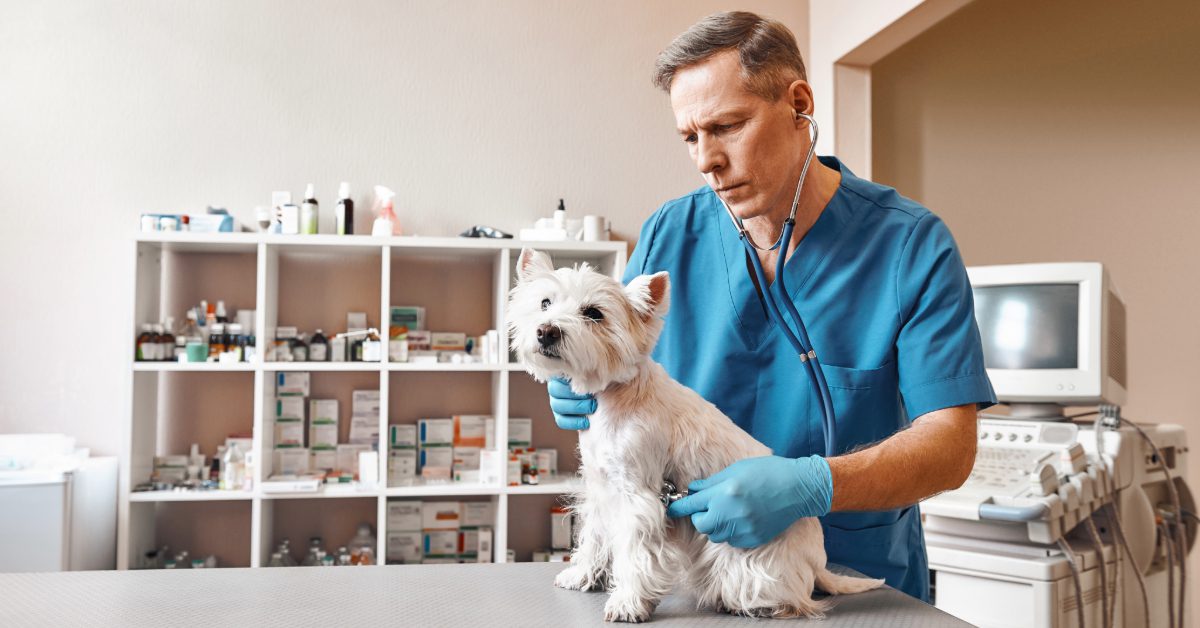
During the visit, your veterinarian will review your dog’s medical history and ask questions about recent behavior, environment, and symptom patterns. They may listen to your dog’s heart and lungs, observe breathing patterns, and assess overall condition.
Diagnostic tools may include:
- Chest X-rays to evaluate the lungs and heart
- Bloodwork to assess overall health
- Airway examination to check for irritation or abnormalities
- Additional imaging or tests based on findings
Each step helps narrow down the cause and determine the most appropriate path forward. Because multiple conditions can present with similar symptoms, a thorough evaluation ensures accurate diagnosis.
Signs That Indicate It’s Time to Call Your Veterinarian
While occasional coughing may not always signal a serious issue, certain signs should prompt a call to your veterinary team. If you’re unsure whether your dog’s symptoms require attention, it’s always better to check in. Watch for the following:
- Persistent coughing that lasts more than a few days
- Gagging that occurs frequently or worsens over time
- Changes in breathing, including rapid or labored breaths
- Lethargy or decreased interest in normal activities
- Loss of appetite or noticeable weight changes
These signs can indicate that the underlying cause requires professional evaluation. Early intervention allows your veterinary team to address concerns before they progress.
Why Early Evaluation Matters for Coughing Dogs
When pet owners search “Why is my dog coughing and gagging?” they often hope the issue will resolve on its own. While some mild cases may improve quickly, others can develop into more complex conditions without proper care.
Early evaluation provides several benefits. It allows veterinarians to identify the cause sooner, begin appropriate treatment, and monitor your dog’s response. It also helps prevent potential complications that could affect long-term health.
Coughing and gagging can stem from a wide range of conditions, and each requires a different approach. By seeking guidance early, you give your dog the best opportunity for a smooth recovery and continued comfort.
Support for Dogs in Brookfield, WI Experiencing Coughing Symptoms
If your dog has started coughing or gagging, you don’t have to navigate the uncertainty alone. The team at Brookfield Animal Hospital in Brookfield, WI provides attentive care and clear guidance to help you understand what’s happening and what comes next.
Whether symptoms appeared suddenly or have developed over time, we’re here to help you find answers. Call us at (262) 236-6222 or book an appointment online to have your dog evaluated by our experienced veterinary team. Together, we’ll take the next step toward helping your dog feel more comfortable and supported.