



Dog Eye Allergies Versus Infections
Allergies and infections in dog eyes often look similar at first glance, which makes it hard for pet owners to know what they’re seeing when their dog’s eyes suddenly turn red, watery, or goopy. One afternoon, your dog runs through the yard, happy and carefree, and later that evening you notice squinting, rubbing at the face, or discharge in the corner of the eye. These subtle changes raise an important question: is this an allergic reaction or an eye infection? While both conditions affect the eyes and can cause discomfort, they develop for different reasons and require different veterinary approaches. Knowing the difference between dog eye allergies versus infection helps you respond quickly and seek the right care.
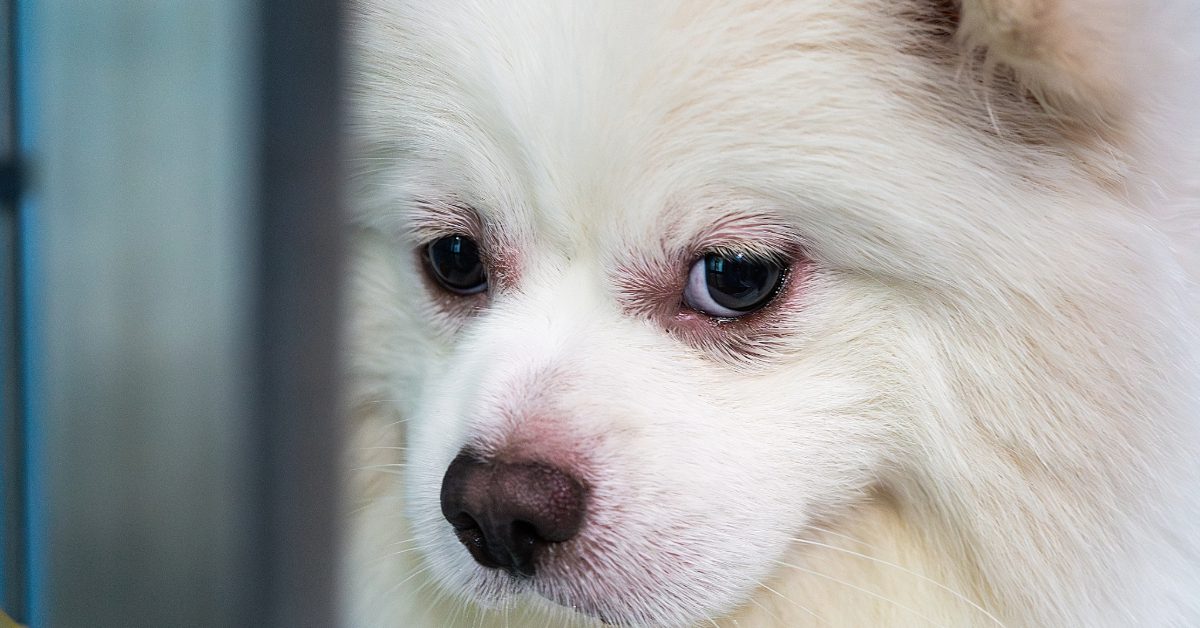
Why Eye Problems in Dogs Happen in the First Place
Dogs explore their world nose-first, face-forward, and often without hesitation. That curiosity exposes their eyes to pollen, dust, grass, mold spores, and debris during walks, playtime, and even indoor lounging. The eye itself is delicate, with a protective tear film that lubricates the surface and washes away irritants. When something disrupts that balance, inflammation can develop, which leads to redness, swelling, and discharge. In some cases, the immune system reacts to harmless substances, creating allergies. In other cases, bacteria, viruses, or other pathogens invade the eye tissues and trigger infection.
Environmental factors around Brookfield, WI also play a role. Seasonal pollen shifts, lawn treatments, and indoor allergens all contribute to eye irritation. Dogs with facial folds, long facial hair, or prominent eyes may also face higher risk because debris and moisture collect more easily around their eyes. When owners search for an explanation of “dog eye allergies versus infection,” they often notice discharge, redness, or squinting and want to know which category fits. Understanding how these issues start sets the stage for recognizing the signs.
Eye Discharge: Allergies Versus Infection
Eye discharge offers one of the clearest clues when comparing dog eye allergies versus infection. The type, color, and consistency of discharge help us narrow down what may be happening. While discharge alone cannot confirm a diagnosis, it gives important context.
Common discharge patterns include:
- Clear, watery discharge: Often linked with allergies, especially if both eyes show similar signs.
- White or light mucus: May appear with irritation or early infection.
- Yellow or green discharge: More commonly associated with bacterial infection.
- Thick, sticky material that crusts: Suggests infection or a more advanced inflammatory response.
Allergic discharge typically looks thin and watery because the body produces tears to flush away irritants. You may also notice frequent blinking or pawing at the face after outdoor exposure. In contrast, infectious discharge often becomes thicker as immune cells and debris accumulate. Infection may also affect one eye more than the other, especially if trauma or a scratch introduced bacteria.
Even though these patterns help differentiate dog eye allergies versus infection, only an eye exam can confirm the cause. Changes in discharge color or thickness always justify a call to the veterinary team.
Other Signs That Help Tell the Difference
Discharge tells part of the story, but behavior and eye appearance add more detail. Dogs communicate discomfort in subtle ways, so watching closely matters. Allergies tend to involve the whole face and sometimes the body, while infections may stay more localized to the eye.
Signs more often linked with eye allergies:
- Both eyes appear red or irritated
- Frequent blinking or mild squinting
- Rubbing the face on carpet or furniture
- Sneezing or skin itchiness at the same time
- Symptoms that worsen during certain seasons or after outdoor time
Signs more often linked with eye infections:
- One eye looks worse than the other
- Noticeable swelling of the eyelids
- Thick discharge that returns quickly after wiping
- Sensitivity to light
- Lethargy or reduced interest in activity in more serious cases
These differences help answer the common question, “How do I know if my dog has eye allergies or an eye infection?” Still, overlap happens. Allergies can lead to secondary infections if irritation continues, and infections can cause watery eyes early on. That is why professional evaluation remains important.
What Triggers Eye Allergies in Dogs
Allergies develop when the immune system overreacts to everyday substances. Dogs with environmental sensitivities may show eye symptoms alongside ear issues or skin itching. Pollen from trees, grasses, and weeds commonly triggers flare-ups in spring and fall. Indoor allergens like dust mites or mold can cause year-round eye irritation. Even grooming products, cleaning agents, or air fresheners sometimes play a role.
Dogs prone to allergies often experience repeat episodes. Owners may notice that symptoms improve indoors or worsen after yard time. The eyes look red and watery, but the dog still acts bright and active. Understanding these patterns helps families recognize when dog eye allergies versus infection lean toward an allergic cause. Managing the environment, wiping the face gently with a damp cloth after outdoor exposure, and keeping bedding clean can reduce irritants without replacing veterinary care.
How Eye Infections Develop
Eye infections usually involve bacteria, viruses, or underlying issues that disrupt normal eye defenses. A scratch from rough play, debris under the eyelid, or an untreated allergic flare can create an opening for bacteria. Puppies and senior dogs may face higher risk because their immune systems respond differently. Infections also occur secondary to dry eye, eyelid abnormalities, or blocked tear ducts.
Infectious eyes often appear more painful. Dogs may hold the eye closed, avoid bright light, or show swelling around the lids. Discharge thickens and may glue the eyelids together after sleep. Because infections can worsen quickly, delays in care increase the risk of deeper eye involvement. Prompt evaluation at Brookfield Animal Hospital helps identify the cause and protect vision.
When to Call the Vet for Eye Issues
Eye problems rarely resolve on their own, and early action prevents complications. Any change in your dog’s eyes deserves attention, especially if it persists more than a day or two. Vision matters deeply to quality of life, and small issues can escalate.
Contact a veterinarian promptly if you notice:
- Squinting or holding an eye closed
- Sudden cloudiness of the eye surface
- Thick yellow or green discharge
- Rapid swelling around the eye
- A visible scratch or injury
- Signs of pain such as whining or reluctance to be touched
If you’re unsure whether you’re seeing dog eye allergies versus infection, that uncertainty itself signals a reason to call. The team at Brookfield Animal Hospital can examine the eyes, check tear production, use safe diagnostic stains, and guide next steps. Call (262) 236-6222 or book an appointment online to have your dog’s eyes evaluated.
What You Can Do at Home
While you arrange an appointment, gentle supportive care can keep your dog more comfortable. Use a soft, damp cloth to wipe away discharge from the corners of the eyes. Keep hair trimmed away from the eyes if it tends to poke or collect debris. Limit outdoor exposure during high-pollen days if allergies seem likely. Prevent your dog from rubbing the face on rough surfaces that could cause scratches.
Avoid using human eye drops or leftover medications from another pet. These products may not suit your dog’s condition and can cause irritation. Supportive steps help maintain comfort, but they do not replace an eye exam. The goal is to reduce irritation while a veterinary professional determines whether allergies or infection explains the symptoms.
Clear Eyes for Comfortable Days Ahead
Dog eye allergies versus an infection may start with similar signs, but the underlying causes differ in ways that matter for treatment and long-term comfort. Watery discharge, seasonal patterns, and whole-face itching often point toward allergies, while thick discharge, pain, and one-sided symptoms raise concern for infection. Because overlap happens, professional evaluation offers the safest path forward. Early attention protects vision and prevents minor irritation from turning into a bigger problem. If your dog’s eyes look red, watery, or uncomfortable, reach out to Brookfield Animal Hospital in Brookfield, WI at (262) 236-6222 or schedule an appointment online so we can take a closer look.