



How To Give a Cat a Pill
The simplest way to give a cat a pill is with a steady hand, a confident hold, and a treat waiting on the other side, no chasing required. Maybe your cat already bolted under the bed the moment you reached for the pill bottle, or maybe this is the first time you’ve ever needed to medicate them at home. Either way, learning how to give a cat a pill without turning it into a wrestling match is less about brute force and more about timing, technique, and the right tools. At Brookfield Animal Hospital, we hear about pilling struggles from Brookfield, WI cat owners all the time, and the difference between a smooth process and a stressful one usually comes down to a few small adjustments. Below, we’ll walk through the methods that actually work, how to avoid getting scratched in the process, and what to do if your cat flatly refuses to cooperate.
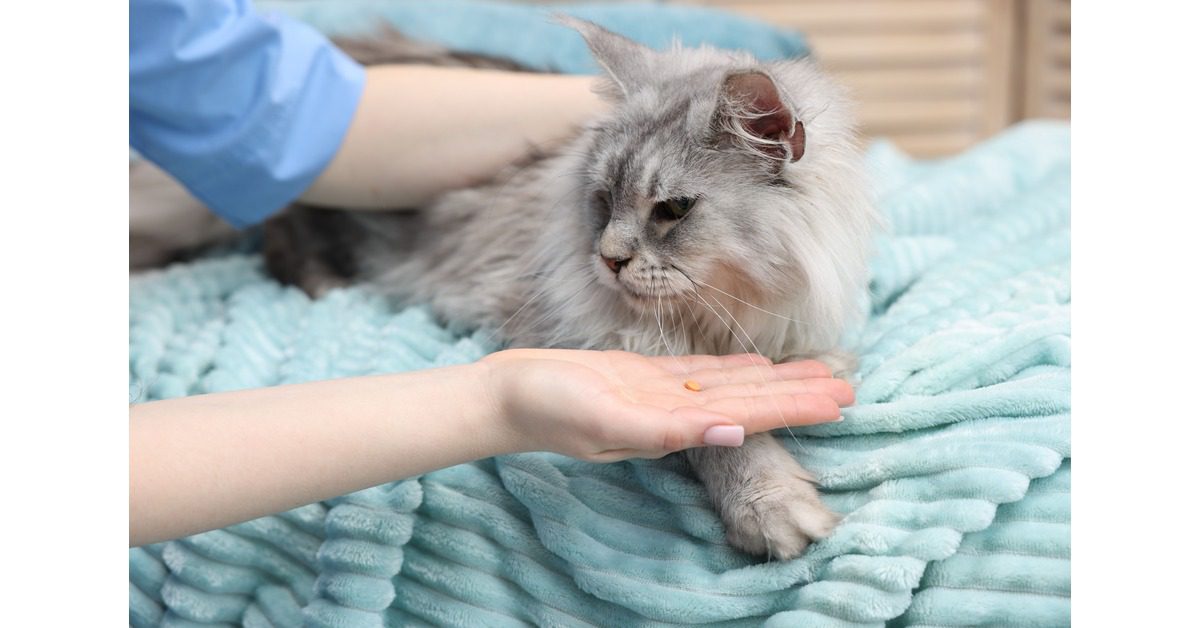
What Is the Best Way to Give a Cat a Pill?
There’s more than one way to give a cat a pill, and what works often depends on your cat’s personality. Two methods tend to work for most owners.
The Direct Method
Hold the pill between your thumb and forefinger. With your other hand, gently cup the top of your cat’s head and tilt it back so the nose points toward the ceiling, which naturally causes the jaw to drop slightly. Use a finger to open the lower jaw a bit further, place the pill as far back on the tongue as you comfortably can, then close the mouth and gently stroke the throat or blow lightly on the nose to encourage swallowing.
The Pill Pocket or Treat Method
For cats that won’t tolerate direct handling, hiding the pill inside a soft pill pocket treat or a small amount of a strong-smelling, vet-approved cat food is often easier on both of you. This method works especially well for cats that are food-motivated and tend to swallow treats quickly without much chewing.
How Do You Give a Cat a Pill Without Getting Scratched or Bitten?
Cats are quick, and a struggle session can end with scratches on both sides if you’re not prepared. These tips can make the process smoother and safer:
- Wrap your cat snugly in a towel, leaving only the head exposed, to limit movement of paws and claws
- Work on a non-slip surface like a counter or table rather than the floor
- Have a helper gently hold your cat’s body still while you handle the pill
- Keep sessions short and calm rather than chasing your cat around the house
- Have the pill, treat, and water ready before you pick up your cat so you’re not fumbling mid-process
If your cat becomes extremely stressed, aggressive, or difficult every time, it’s worth talking to Brookfield Animal Hospital about other medication options, since some medications can be compounded into liquids or flavored forms that are easier to give.
What Should You Do If Your Cat Won’t Take a Pill?
It’s common for a cat to spit out a pill, foam at the mouth slightly, or simply refuse to cooperate at all. If your cat won’t take a pill after a couple of calm attempts, stop and take a short break rather than forcing repeated tries, which tends to make cats more defensive over time. Switching between the direct method and a hidden-in-food approach on different days can also help, since some cats become wise to one method but not the other.
If a particular medication consistently causes a major struggle, contact Brookfield Animal Hospital before skipping doses. Our team can often suggest an alternative form of the same medication or a technique better suited to your specific cat.
Can You Hide a Cat’s Pill in Food?
Hiding a pill in a small amount of strong-smelling wet food, tuna juice, or a commercial pill pocket treat works well for many cats. The key is using just enough food to fully disguise the pill without giving your cat the chance to eat around it. It’s best to check with your veterinarian before crushing any pill or mixing it into food, since some medications lose effectiveness or become unsafe to handle when crushed.
What Tools Make Giving a Cat a Pill Easier?
A few simple tools can take a lot of stress out of pilling a cat, especially if you’re doing it more than once:
- Pill pockets or pill-specific cat treats designed to mask taste and smell
- A pill popper or pill gun, which places the pill toward the back of the throat without requiring fingers in your cat’s mouth
- A towel for gentle, secure wrapping during the process
- A small syringe of water, if your veterinarian approves, to help the pill go down after placement
If you’re new to using a pill popper, ask our team at Brookfield Animal Hospital to walk you through it during an appointment so you feel confident using it at home.
How Do You Know If Your Cat Actually Swallowed the Pill?
After giving a cat a pill, watch for a few swallowing motions and some lip licking, which are good signs the pill went down. Gently stroking the throat or blowing softly on the nose right after placing the pill often triggers a swallow reflex. Following the pill with a small treat or a bit of water can help confirm it went down and didn’t get stuck or spit out somewhere in the bedding when you weren’t looking.
What Mistakes Should You Avoid When Pilling a Cat?
A few common mistakes make pilling harder than it needs to be:
- Chasing or cornering your cat, which builds anxiety around future medication time
- Tilting the head too far back, which can make swallowing harder rather than easier
- Skipping the follow-up treat or water, leaving the pill stuck partway down
- Crushing pills without checking whether that medication is safe to crush
- Giving up after one attempt without trying a different technique
Staying patient and consistent makes a noticeable difference over time. Many cats become more cooperative once a routine is established, especially if treats are part of the process.
Does Giving a Cat a Pill Get Easier With Practice?
For most owners and cats, yes, pilling gets noticeably easier with repetition. The first few attempts tend to be the hardest simply because both you and your cat are still learning the routine. Cats pick up on patterns quickly, so if pill time is always followed by a favorite treat, calm praise, and a few minutes of attention, many cats start to associate the process with something positive rather than something to dread.
Keeping sessions brief, predictable, and low-stress matters more than any single technique. If your cat needs daily or long-term medication, building a consistent routine, same time of day, same location, same sequence of steps, can make a real difference in how smoothly things go over weeks or months.
Brookfield Animal Hospital Is Here for Every Medication Question
Learning how to give a cat a pill takes practice, and it’s completely normal to need a few tries before it feels routine. If you’re struggling with a specific medication, technique, or an especially stubborn cat, our team at Brookfield Animal Hospital in Brookfield, WI is happy to help. Call us at (262) 236-6222 to schedule an appointment or ask our veterinary staff for a hands-on demonstration the next time you’re in.